Interior design in Padua is a rapidly expanding sector that combines tradition and innovation to create unique and functional spaces. Padua is indeed a city rich in history and culture; it is not only an important university and scientific center but also a point of reference for art and design.
But what are the main types of interior design and how are they realized?
Below, we provide an overview of furniture design for restaurants, bars, pastry shops, and stores. We will examine the design phases, from conception to completion, and analyze the associated costs. Finally, we will discover the importance of relying on an experienced design studio.
Types of Interior Design in Padua
Interior design in Padua is distinguished by its ability to merge tradition and innovation, creating environments that reflect both the city’s historical character and modern requirements. All types of furnishings in Padua, from restaurants to bars, and from pastry shops to stores, require a unique design approach capable of enhancing both aesthetics and functionality. Let us now look in detail at the main types of interior design in Padua, focusing on the distinctive elements of each.
Restaurant Furnishings
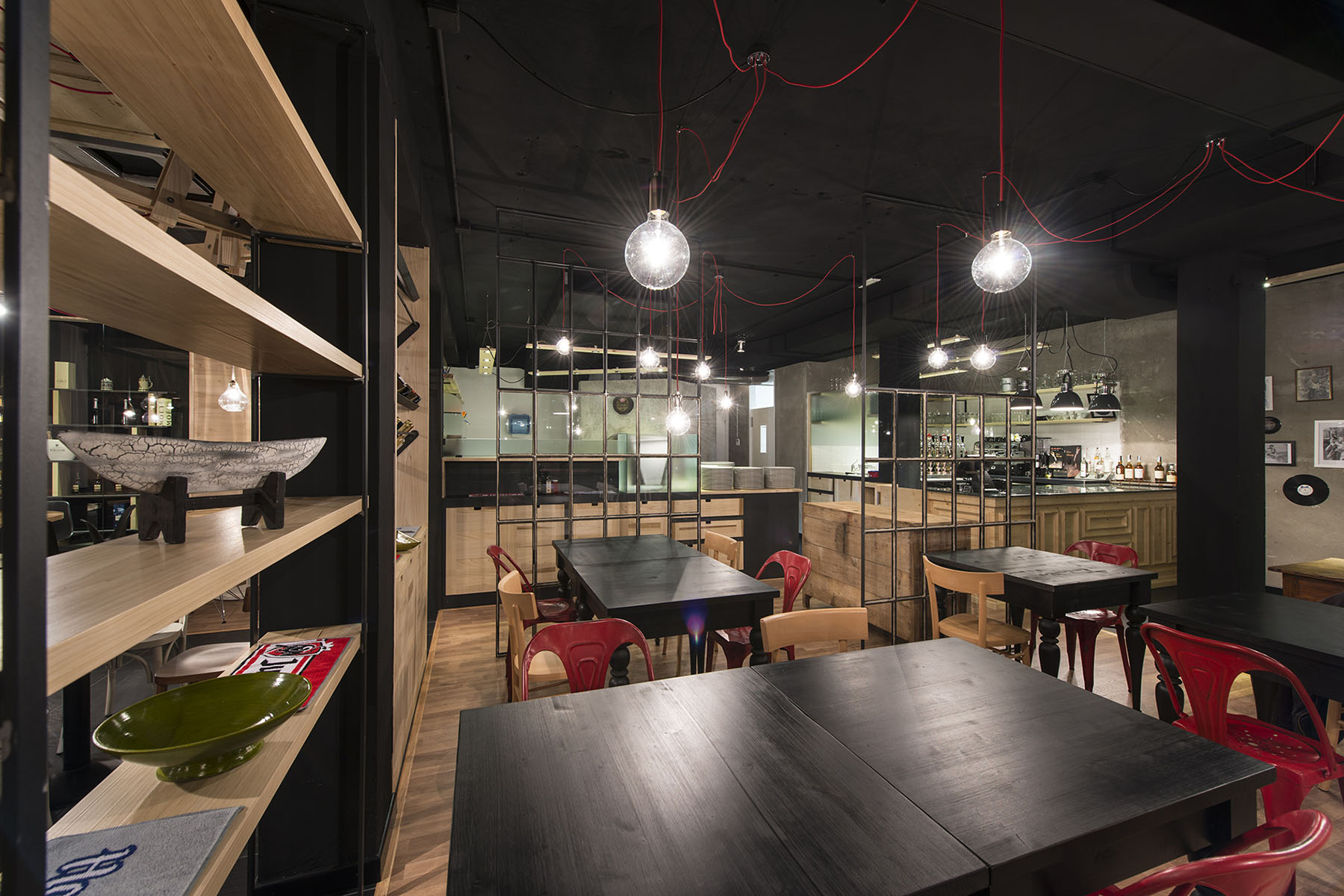
The design of restaurant furnishings in Padua goes far beyond the simple choice of furniture. It is essential to create an environment that is not only aesthetically pleasing but also contributes to improving the customer experience. Restaurants in Padua often incorporate local historical and cultural elements, blending them with modern trends. The choice of materials, colors, and finishes plays a crucial role in defining the venue’s atmosphere. Lighting, acoustics, and the layout of spaces are equally important to ensure a comfortable and memorable experience.
Bar Furnishings
Bar furnishings in Padua require careful design that can attract a diverse clientele and create a convivial environment. In Padua, bars range from traditional historic cafés to modern cocktail and wine bars. Each type requires a different approach. For historic cafés, the focus is often on using materials that help preserve original architectural elements and creating a welcoming environment. In modern cocktail bars, however, the focus is often on innovation and the use of contemporary materials to create a dynamic and trendy atmosphere.
Pastry Shop Furnishings
Pastry shop furnishings in Padua are often synonymous with tradition and craftsmanship. Interior design must reflect these values, creating a space that is both elegant and functional. The arrangement of counters, the choice of display cases, and the lighting are crucial aspects that must be carefully considered. Every detail must contribute to enhancing the products on display, creating an environment that invites customers to enter and savor the delicacies offered.
Store Furnishings
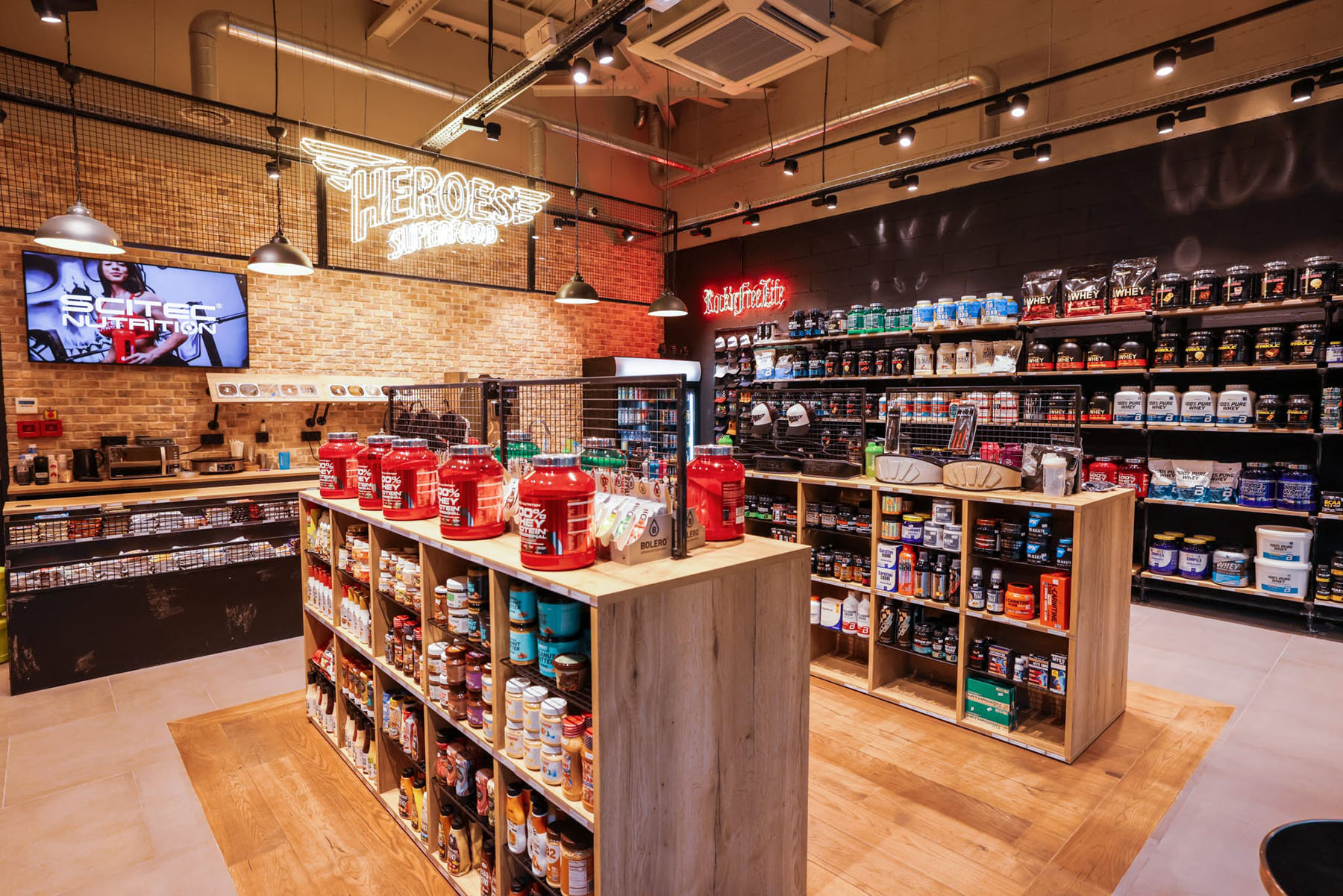
The design of store furnishings in Padua must take into account the type of products sold and the target clientele. Whether it is fashion boutiques, bookstores, or artisan shops, every space must be designed to maximize product attractiveness and facilitate the customer journey. The intelligent use of space, the choice of materials, and lighting are fundamental to creating an environment that is not only aesthetically pleasing but also functional.
Phases of Interior Design in Padua
1. Initial Consultation
The design process begins with an initial consultation, during which the designer meets the client to discuss needs, desires, and budget. This phase is crucial for understanding the client’s vision and defining the project objectives. During this meeting, detailed information about the available space and the required technical specifications is gathered.
2. Concept Development
Once the necessary information is gathered, the designer develops an initial concept. This includes the creation of mood boards, preliminary sketches, and layout proposals. The concept must reflect the style desired by the client and align with the required functionalities. During this phase, the designer works closely with the client to ensure the concept meets their expectations.
3. Detailed Design
After the approval of the initial concept, the process moves to the detailed design phase. This stage includes the creation of technical drawings, floor plans, and 3D renderings. All details are defined, from materials to finishes, and from lighting to furniture. Every element is carefully planned to ensure the final project is aesthetically coherent and functionally effective.
4. Project Planning
Once the detailed design is complete, a precise cost estimate is drafted. This includes not only the cost of furniture and materials but also that of construction work and installations. Furthermore, a project schedule is established, defining the timelines for each phase of the project, from demolition to construction, through to the assembly of the furnishings.
5. Realization and Assembly
The final phase of the process is realization and assembly. This stage involves various professionals, including builders, electricians, carpenters, and decorators. The designer supervises the entire process to ensure every detail is executed according to the approved project. The assembly of furniture and installations is carried out with care to guarantee an impeccable final result.
Costs of Interior Design
The cost of interior design can vary significantly based on several key factors that influence the overall budget, including:
- Size of the space: larger spaces require a greater use of materials and labor, as well as more complex planning, resulting in an increase in costs.
- Project complexity: more sophisticated or customized designs, which include innovative solutions or bespoke details, require more time and specialized skills, impacting the overall budget.
- Chosen materials: the use of high-quality materials, such as fine woods, marble, or exclusive finishes, leads to an increase in costs but guarantees durability and a superior aesthetic impact.
- Required labor: projects requiring the intervention of skilled artisans, such as carpenters, masons, or decorators, increase costs due to the expertise and precision needed to ensure impeccable results.
However, investing in quality design can lead to a significant return in terms of aesthetics, functionality, and the overall value of the space.
Why Rely on an Interior Design Studio in Padua Specialized in Creating Custom Commercial Spaces
Relying on an experienced design studio in Padua offers numerous advantages. A team of professionals can guarantee accurate and personalized design that takes into account the client’s specific needs and the unique characteristics of the space. Furthermore, an experienced studio has access to a network of trusted suppliers and artisans who can ensure high-quality materials and labor. Finally, relying on professionals means being able to count on continuous support throughout all phases of the project, from the initial consultation to the final realization.
Interior design in Padua is an art that requires expertise, creativity, and attention to detail. Whether furnishing a restaurant, a bar, a pastry shop, or a store, every project must be carefully planned and executed to create unique and functional spaces. Relying on an experienced design studio can make the difference, ensuring a final result that not only meets aesthetic expectations but also improves the user experience. In a city rich in history and innovation like Padua, interior design is a stimulating challenge that deserves to be approached with professionalism and passion.
Vuoi che il tuo locale sia realizzato con arredamenti unici e di design in tempi garantiti?
40 anni di progetti realizzati in pochi numeri
Ecco alcuni dei numeri che abbiamo raggiunto negli ultimi 40 anni di attività
40
ANNI DI ATTIVITÀ560
LOCALI REALIZZATI14
PROFESSIONISTI490
CLIENTI SODDISFATTICosa dicono di noi

Patavium ha reso il processo di arredamento del nostro ristorante un'esperienza senza intoppi. Il loro team ha dimostrato grande professionalità e competenza, guidandoci nella scelta del design più adatto al nostro stile e budget. Abbiamo apprezzato particolarmente l'attenzione ai dettagli e la puntualità nella consegna. Consigliamo vivamente Patavium a chiunque cerchi soluzioni di arredo di alta qualità per il proprio locale.
Siamo rimasti estremamente soddisfatti della nostra esperienza con Patavium. La loro possibilità di personalizzazione ci ha permesso di trovare esattamente ciò di cui avevamo bisogno per il nostro ristorante. I loro prodotti sono ben realizzati e resistono bene all'usura quotidiana del settore della ristorazione. Non esiteremmo a tornare da Patavium per future esigenze di arredamento.
Ci siamo affidati a Patavium per il nostro ristorante, ci è subito sembrata una azienda seria e differente nel modo di fare rispetto agli altri. Abbiamo subito apprezzato le idee proposte e quando abbiamo visto il risultato finale, non riuscivamo a credere che il locale potesse diventare così accogliente e visivamente piacevole per gli occhi.